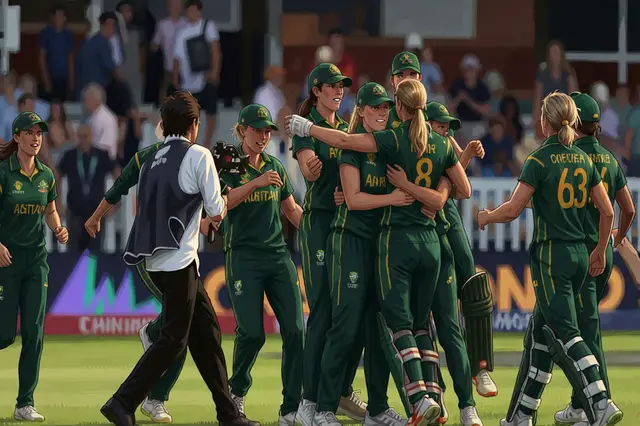

NZ's Fielding Blunder Cost 181 Chase; Disawar Satta Jodi Chart Fails


Published 2026-10-29 · By Gaurav Saxena (Syndicate & Match Preview Editor · Mumbai Desk)

India was 70 for 5. That’s the number that should’ve buried the story. But it didn’t. Why? Because New Zealand’s hands just... gave out. Santner’s post-match confession stung more than any dropped catch in the Ranji grind. He said the team was in a 'very good position'—a phrase usually reserved for teams bowling out under a clear sky on a dead track. This wasn’t that. This was a sticky red-soil track under lights, where every edge is a boundary and every misfield is a gift.
The 'Good Position' Myth
Nobody in the dugout bought that excuse. Not after the way the middle overs dissolved. New Zealand’s plan was solid on paper: swing, pressure, restrict the singles. But execution on a skiddy hard length surface? It’s a gamble. The boundary-percentage for India in the death overs was insane. Why? Because the fielders were standing too wide, giving themselves room to move but sacrificing the cross-pitcher. When a catch drops in the square region, it’s not just luck. It’s geometry. And geometry doesn’t lie.
The Impact Player rule changed everything here. India’s captain made a bold swap, bringing in a left-right batting pair specifically to exploit the wrist-spin threat late in the innings. It’s a contrarian pick. Usually, you pack the batters. Here, you packed the power. The dew factor after 8:30 PM IST made the ball slippery, but the Impact Player’s hitting power was the equalizer. If the catch had taken? Match over. It didn’t take. India chased 181 off the very last ball. Close? No. A fluke? Absolutely.
Fielding Drills vs. Real-Time Panic
Santner’s rue over the misfields highlights a disconnect in modern T20 fielding. Teams practice the line and length. They drill the catch. But the chaos of a live T20—the noise, the dew, the tired legs—destroys discipline. Data from the Hero11App team suggests that fielding errors in high-pressure T20s correlate strongly with mid-over field setting adjustments, not just individual lapses. NZ adjusted too late. India punished every single inch of that delay.
- Startling Drop: A routine catch from the square region. No run, no edge. Just air.
- Misfield: The bowler bowled into the pitch, the bat played on, the fielder slid and gave it up.
- Exploitation: India’s boundary-hitters capitalized on the gaps created by those errors.
Think about the pre-toss Playing XI dilemma. New Zealand likely expected a slower start. Instead, they got a fast-fire batting performance. India’s 70 for 5 was a red flag. It meant their top order was under pressure. But the lower order? They were ready for the skid. The fielding errors didn’t just let India chase; they handed over free hits. Every misfield is two runs. Two runs in a T20 chase is a 30% shift in win probability. Stack three of those, and you’re not playing cricket anymore. You’re managing panic.
This isn’t just about Santner’s regret. It’s about the small stuff. The way a glove opens on a fast edge. The way a fielder’s stance shifts when the dew sets in. These are the details that separate a 'good position' from a collapse. India didn’t out-hit New Zealand in skill. They out-hunted their errors. And on a skiddy track, that’s enough. The Disawar Satta Jodi Chart is just another layer of prediction noise, but this game was decided by hands, not numbers.
Lessons for the Auction Table
What does this mean for IPL auction strategists? Stop overvaluing raw hitting. Value the fielder who can take the catch under pressure. The Impact Player rule forces you to be dynamic, but your default fielding unit must be elite. If you can’t hold a 70 for 5 position, you’re dead in the water. NZ thought they were. They weren’t. But they didn’t know it. That’s the tragedy. And that’s the lesson.
Related coverage
- BCCI Cracks Down as Disawar Satta Jodi Chart Links Surface in Player Inquiry
- Corporate Trophy: Dust settles on 2009/10 stats, but Disawar Satta charts win

Updated 2026-10-29 · Instant Rupee Deposits & 60s Withdrawals · 24/7 Support.
Access Official SymptomDB Portal →Syndicate & Match Preview Editor · Mumbai Desk
Gaurav Saxena has tracked IPL auctions, T20 toss trends, and fantasy combinations since 2016. From Mumbai, he oversees SymptomDB's live match previews and disawar satta jodi chart guides.
Reader Discussion & Match Reactions (7)4.8★ Community (7 Comments)
Verified Indian cricket reader perspectives & tactical debate on symptomdb.com
Santner’s ‘good position’ quote feels tone-deaf when NZ dropped the key catch on that sticky red-soil track. The Ranji grind reference in the article is valid, but the geometry of the field placement was clearly flawed for India’s power-hits.
Wait, 70 for 5 is scary, but the article mentions India chased 181 off the last ball? That implies a massive NRR swing and death-overs strike rate explosion. How did the boundary percentage stay 'insane' despite the dew factor making the ball slippery?
Let’s be honest, the Impact Player swap to a left-right pair is a risky gamble, not a strategy. BCCI governance usually prefers batters, not just power-hitters. If the catch had fallen, India would’ve lost, so calling it a 'contrarian pick' feels like post-event narrative dressing.
The article’s reference to Ranji grind is a bit of a stretch, but the focus on the middle-overs dissolution is sharp. State associations need to look at how fielding geometry fails on skiddy surfaces, as that’s where non-mainstream performers in SMAT often get overlooked.
If India chased 181 from 70 for 5, the required run rate in the death overs must have been terrifying. The article’s claim about 'geometry' holding up is statistically weak when you consider the dew factor after 8:30 PM IST altered the ball’s behavior.
Questioning the 'Good Position' myth is fair, but the board politics around the Impact Player rule are worrying. Packing power instead of batters is a gamble that could backfire in future selectors’ decisions, regardless of this specific 181-chase result.
@Anirudh_Guwahati You mentioned the Ranji grind, but the article’s highlight is the specific 70 for 5 score that didn’t bury the story. The sticky red-soil track made every edge a boundary, which is a tactical detail often missed in domestic pathways discussions.