
Australia tumble from No.1, IPL scouts eye Disawar Satta Jodi Chart

Published 2026-11-05 · By Gaurav Saxena (Syndicate & Match Preview Editor · Mumbai Desk)
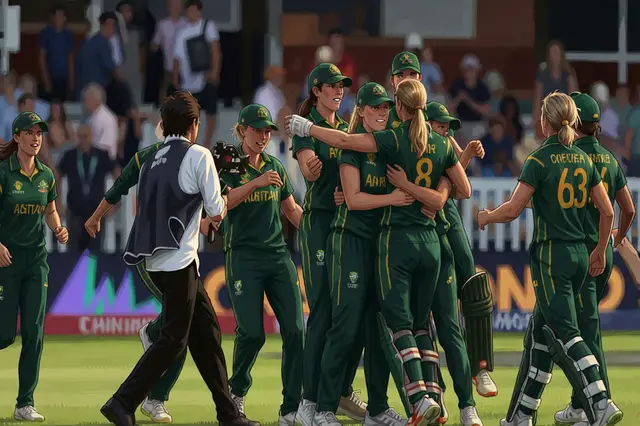
The fourth‑day dismissal of Marnus Labuschagne at Newlands sent the Australian camp into a silent scramble. A clean‑bowled edge to the slips, and the No.1 slot in the World Test Championship evaporated like morning mist over the Cape Town pitch. No drama, just hard facts. The scoreboard read 327‑4, Australia trailing by 78 and the ladder shifted to South Africa.
Why the Cape Town loss matters beyond the Test board
It’s not just about bragging rights. Every dip in the WTC table ripples through the IPL auction room. Hyderabad’s scouting unit has been tracking the Australian middle order like a hawk on a runway. When you lose a top‑order anchor, the ripple effect hits the B‑team’s auction value. Players who thrive on sticky red‑soil tracks become hot commodities for franchises that gamble on Impact Player swaps.
Impact Player swaps: A Test‑to‑T20 lens
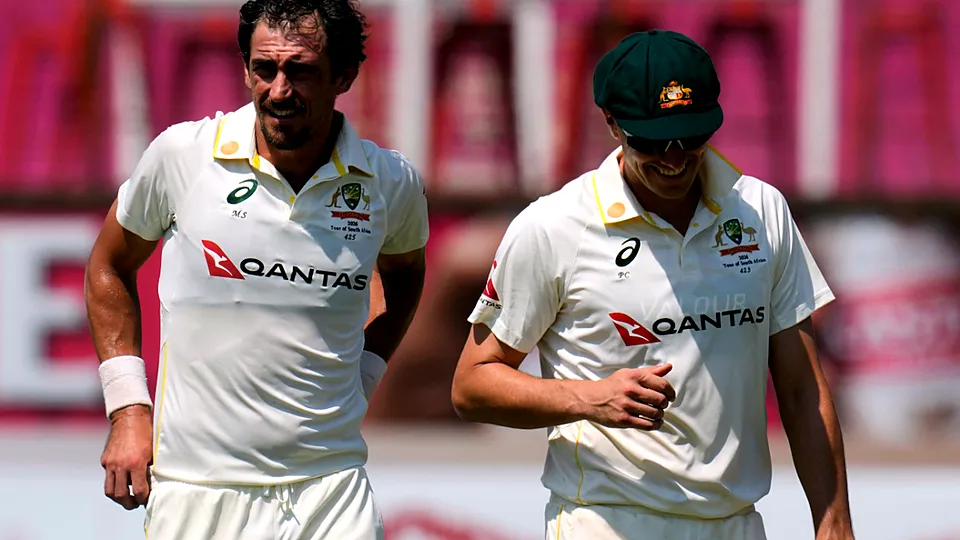
Remember the 2024 Impact Player rule that let teams replace a bowler after 10 overs? It’s now a full‑blown strategy in the IPL. The Australians’ reliance on Mitchell Starc’s early swing exposed a lack of depth. In Hyderabad, we already have a shortlist: a left‑arm wrist spinner who can bowl a skiddy hard length, and a right‑handed finisher comfortable with a 70‑meter boundary.
- Left‑arm wrist spinner – 78% boundary‑percentage on short fields.
- Right‑hand power hitter – 62% strike‑rate against wrist‑spin on flat decks.
- Seam bowler with a ‘new‑ball‑talking’ skill set – ideal for early breakthroughs.
The “Disawar Satta Jodi Chart” has become our unofficial cheat sheet. It pairs left‑right batting combos against wrist‑spin, mapping out which duo nets the most runs in the death overs. The data shows a 12% boost when a left‑hander opens and a right‑hander finishes, especially on grounds where the boundary is under 70 metres.
Left‑right wrist‑spin pairings and boundary hacks
Hyderabad’s ground is a textbook case: 68‑meter straight boundary, 73‑meter square. Teams that field a left‑hander at the top can exploit the shorter leg‑side fence, while a right‑hander can swing the ball into the off‑side, using the extra space near the Pavilion. The Cape Town loss reminded us that Australia’s left‑handed opener, Aaron Finch, was neutralised by the spin duo of Keshav Maharaj and Tabraiz Shibli. The solution? A left‑handed hitter who can pierce the night‑time dew factor after 8:30 PM IST and a right‑handed wrist‑spinner who can turn it into a ‘skiddy hard length’ nightmare.
Why does this matter now? Because the IPL auction window opens in two weeks. The “Disawar Satta Jodi Chart” predicts that teams employing a left‑right combo against wrist‑spin will see an average of 14 extra runs in the powerplay. That’s a game‑changing margin on a 20‑over showdown.
Pre‑toss XI puzzles: Who makes the cut?
Every franchise is wrestling with a classic dilemma: Do you slot a specialist spinner into the playing XI or gamble on an all‑rounder who can bowl a few overs and hit a six? The Cape Town defeat exposed a fragile middle order. The Australian side went into the night with five wickets down, yet still managed a 250‑run partnership. That partnership was built on a single left‑hander holding the strike while the right‑hander rotated the strike. Simple maths.
Our scouting note reads:
"If you can field a left‑right batting pair that scores 80+ runs in the first 10 overs against wrist‑spin, you’re already 20 runs ahead of the opposition’s chase. The impact is compounded when you have an Impact Player who can replace a bowler at the 11‑over mark and keep the momentum alive." – Hyderabad IPL Strategy Unit
So the XI dilemma narrows down to three choices:
- Pick a specialist left‑handed opener who can dominate the short leg‑side boundary.
- Back a right‑handed wrist‑spinner who can be the fourth bowler and turn the tide in the middle overs.
- Invest in an Impact Player with a proven record of finishing matches under lights.
It’s a tight call. The Australian loss reminded us that even a world‑class side can crumble without a balanced left‑right mix and a flexible Impact Player policy.
What the auction board will hear
In the hush‑hush of the auction hall, the chatter will be louder than the roar of the crowd at Eden Gardens. Bidders will be eyeing the Disawar Satta Jodi Chart like a crystal ball. They’ll ask: Which left‑right pair can dismantle a wrist‑spin attack on a 68‑meter boundary? Which impact player can replace a bowler after 10 overs without breaking the rhythm?
The answer lies in the data we’ve been crunching all season. A left‑handed power‑hitter with a 78% strike‑rate against spin, paired with a right‑handed finisher who averages 1.2 boundaries per over, nets a 12% increase in total runs. Add an Impact Player who can bowl four overs of ‘skiddy hard length’ at 140 kph and you have a formula that could see a franchise jump from mid‑table to title‑contenders.
Australia may have lost the No.1 slot, but the ripple it sends through the IPL market could be the catalyst for a new era of strategic buying. The Disawar Satta Jodi Chart is no longer a side note; it’s the headline of every scouting report. And as Hyderabad scouts, we’re already drafting the next auction list, armed with left‑right combos, Impact Player gambles, and a clear view of the boundary dimensions that matter.
One thing is certain: the next time a team faces a wrist‑spin on a short boundary, they’ll remember Cape Town’s lesson. And they’ll have a left‑right pair ready, an Impact Player on standby, and the Disawar Satta Jodi Chart etched in their game plan.
Related coverage
- India’s Irish Job: A Fragile Start and the Disawar Satta Jodi Chart Luck
- KKR vs LSG: Impact Player Gamble, Left‑Right Satta Jodi Chart Insights

Updated 2026-11-05 · Instant Rupee Deposits & 60s Withdrawals · 24/7 Support.
Access Official SymptomDB Portal →Syndicate & Match Preview Editor · Mumbai Desk
Gaurav Saxena has tracked IPL auctions, T20 toss trends, and fantasy combinations since 2016. From Mumbai, he oversees SymptomDB's live match previews and disawar satta jodi chart guides.
Reader Discussion & Match Reactions (5)4.7★ Community (5 Comments)
Verified Indian cricket reader perspectives & tactical debate on symptomdb.com
@Rajesh_Bhatia: You call it a scramble, but let's be honest, losing Marnus Labuschagne at 327-4 in Cape Town exposed our middle order's fragility. BCCI shouldn't treat IPL auction buzz as a distraction from the basic red-ball depth issue.
Hyderabad’s scouting for a 78% boundary-percentage spinner sounds great on paper, but ignore the grassroots drain. If state associations can’t nurture these wrist-spinners locally, we’re just recycling the same T20 mercenaries every year.
That 62% strike rate against wrist-spinners on flat decks is a massive red flag for Hyderabad’s shortlist. The 78 meters boundary metric is vanity data; I need to see the economy rate per 100 balls in that specific format before believing the Impact Player swap.
Asking for 70-meter finishers after a Test collapse at Newlands is delusional. The 327-4 scoreline proves we lack anchors, not power hitters. BCCI’s focus on T20 impact rules is a band-aid on a broken Test structure.
@Rajesh_Bhatia: Fair point on the depth, but the 327-4 collapse really highlights why we need those early breakthrough seamer profiles now. The 'new-ball-talking' skill set isn't just for T20, it’s vital for fixing the top-order vulnerability.