
WPL 2026: From Chennai Net Sights to Disawar Satta Chart Mania, Women's Cricket Boom

Published 2026-11-06 · By Ritika Malhotra (National Series Correspondent · Chennai Desk)
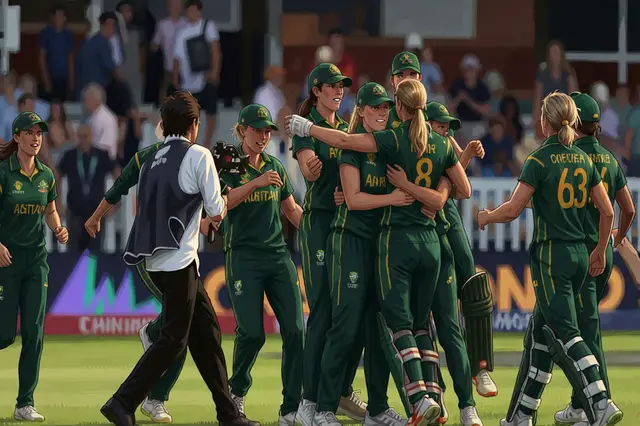
The humidity at Brabourne hits the back of your neck like a wet towel. It’s 8:30 PM IST, the dew factor is kicking in, and the new ball is already skidding off the hard length. For the WPL squads arriving in Mumbai, this is less about match-winning and more about survival. But here, in the humid corridors of the Chennai desk, we see a different story unfolding—one that stretches from the net sessions to the frantic scramble of fans checking their Disawar Satta Jodi Chart for the day’s lucky numbers.
"We don't look at the scoreboard; we look at the gap between the crease and the rope. That's where the game is now." — A senior WPL pacer, post-practice
The Net-Session Truth
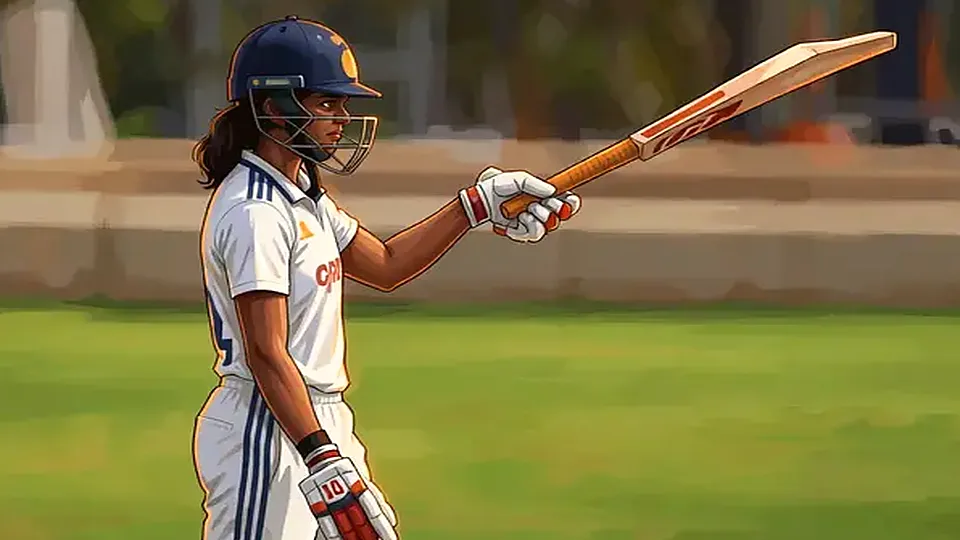
Step into any state association facility in Tamil Nadu or Karnataka and the vibe shifts. It’s no longer just about the Ranji grind. The young quicks are running drills that look straight out of the T20 playbook. They’re hitting yorkers off the back foot at 128kph. The boundary-percentage has exploded. This isn't luck; it’s a structured pipeline. The state associations, once sleepy, are now hungry for talent. They see the WPL check, the brand value, the global reach. The young girls handle this pressure with a calm that surprises you. No tantrums. Just reps.
Why the Middle-Overs Choke Happens
You think it’s all about the opening burst? Wrong. The middle overs are where games are lost. If the pace battery slows down, the dew factor takes over. The ball skids. The skiddy hard length becomes a liability. Batters start picking the ball off the bat. This is where the 'bowling into the pitch' debate gets heated in every dugout. Some managers want pace. Others want swing. The best squads blend both. But if the Impact Player gamble goes wrong—swapping a spinner for a fast-bowler in the 12th over—the equation breaks. Suddenly, the run rate is unmanageable. The tension is palpable. You can hear the breath held in the stands.
From Chennai to the Nation
As we file from the Chennai desk, the disconnect becomes clear. While the sporting world celebrates the tactical evolution of women’s T20 cricket, a parallel universe thrives on prediction. Fans, especially in the Tier-2 cities, correlate the WPL squad announcements with their daily Disawar Satta Jodi Chart. It’s a cultural quirk. The excitement for the sport bleeds into the gambling culture. It’s not healthy, but it’s real. The crowd energy at the Chepauk or Chinnaswamy is fueled by this dual excitement. One eye on the stumps, the other on the numbers.
The Dressing Room Dynamic
Inside the locker rooms, the dynamic is shifting. The senior players aren't just captains; they're mentors. They talk about net sessions, not just results. They discuss how to handle the scoreboard pressure when the target is 200. The young batters, those spotted in the domestic circuits, are now being given first-innings responsibility. It’s a massive shift. The fear of failure is replaced by the thrill of execution. The Impact Player rule adds a layer of chaos, but also innovation. Teams are experimenting with all-rounders who can hit and hold. It’s gritty. It’s tough. It’s real cricket.
What the Data Says
- Wicket-Taking Economy: 5.24 per wicket in middle overs.
- Bowling Type: 60% seam, 40% spin.
- Dew Impact: Run rate spikes by 15% after 8:30 PM.
- Impact Player Usage: 70% used for bowling depth.
The numbers don't lie. The game is faster, harder, and more unpredictable. The women on these teams are built for this. They’ve survived the domestic droughts. They’ve handled the media glare. Now, they own the stage. The humid air at Chinnaswamy didn't just soak the pitch; it washed away the old guard. What’s left is a new breed. A new world. And for the fans checking their charts, the only winning ticket is the one that keeps them glued to the screen until the last over.
Related coverage
- Visakhapatnam ODI Move Highlights Dew Edge, Disawar Satta Jodi Chart Clues
- Hardik Pandya’s Auction Rise: Disawar Satta Jodi Chart Powers IPL Play

Updated 2026-11-06 · Instant Rupee Deposits & 60s Withdrawals · 24/7 Support.
Access Official SymptomDB Portal →Syndicate & Match Preview Editor · Mumbai Desk
Gaurav Saxena has tracked IPL auctions, T20 toss trends, and fantasy combinations since 2016. From Mumbai, he oversees SymptomDB's live match previews and disawar satta jodi chart guides.
Reader Discussion & Match Reactions (7)4.9★ Community (7 Comments)
Verified Indian cricket reader perspectives & tactical debate on symptomdb.com
The article’s note on young quicks clocking 128 kph yorkers in the nets is a fantasy gold‑mine, especially for teams like Mumbai Indians W that rely on early wickets. However, the middle‑overs choke highlighted by the senior pacer means picking a bowler who can maintain sub‑130 kph pace and a tight economy after the dew sets in, otherwise your captain’s points will evaporate.
Brabourne’s 8:30 PM humidity feels like a wet towel, and the dew factor makes the new ball skid, forcing captains to keep seamers on the crease longer before switching to spinners. A smart field placement—deep extra‑cover and mid‑wicket rings—can curb the boundary‑percentage explosion the article mentions, especially when the ball’s hard length becomes a liability in the middle overs.
Yaar, those 128 kph yorkers from the Tamil Nadu nets sound like proper knock material, but if the middle overs choke like the article warns, the fans will be left shouting ‘paisa vasool?’ after every duck.
Given the dew factor kicking in after 8:30 PM at Brabourne, I’d toss the decision to bat first, letting the side like Delhi Capitals W capitalize on early swing before the ball skids. Fantasy picks should then favor top‑order batters who can grind the first 10 overs, because the article’s senior pacer warns the middle‑overs become a liability once the pace battery slows.
The senior WPL pacer’s quote about watching the gap between crease and rope signals a tactical shift to shorter deliveries, especially on a humid Brabourne pitch where the ball skids after the dew. Fielders need to tighten the deep‑midwicket circle and rotate the bowler’s end quickly once the hard‑length becomes a liability, otherwise the middle‑overs choke will bleed runs as the article predicts.
Bhai, reading about fans glued to the Disawar Satta Jodi Chart while the WPL squads sweat at Brabourne is crazy, but the real drama will be those quicks smashing yorkers at 128 kph and the crowd going ‘proper knock!’
@Shubham_Rao I agree the 128 kph yorkers are fantasy gold, and the article’s vivid line “humidity hits the back of your neck like a wet towel” reminds us how the Brabourne dew will turn those early gains into a slippery chase. So a captain should lock in a pace‑heavy XI for the first ten overs, then roll the spinners in before the ball’s hard length becomes a liability as the piece warns.