
Disawar Satta Jodi Chart Shock: Ulva’s 87‑run blitz lifts India U‑19

Published 2026-11-16 · By Gaurav Saxena (Syndicate & Match Preview Editor · Mumbai Desk)
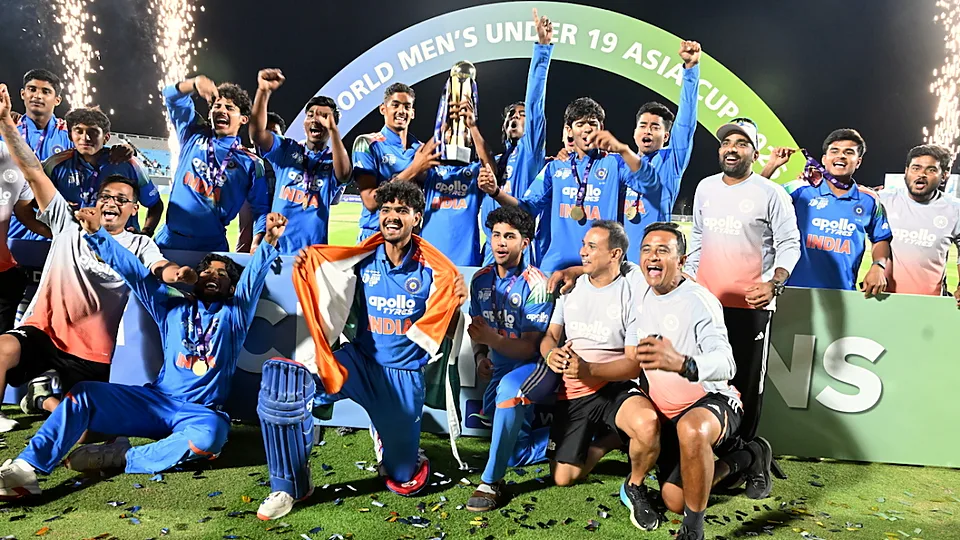
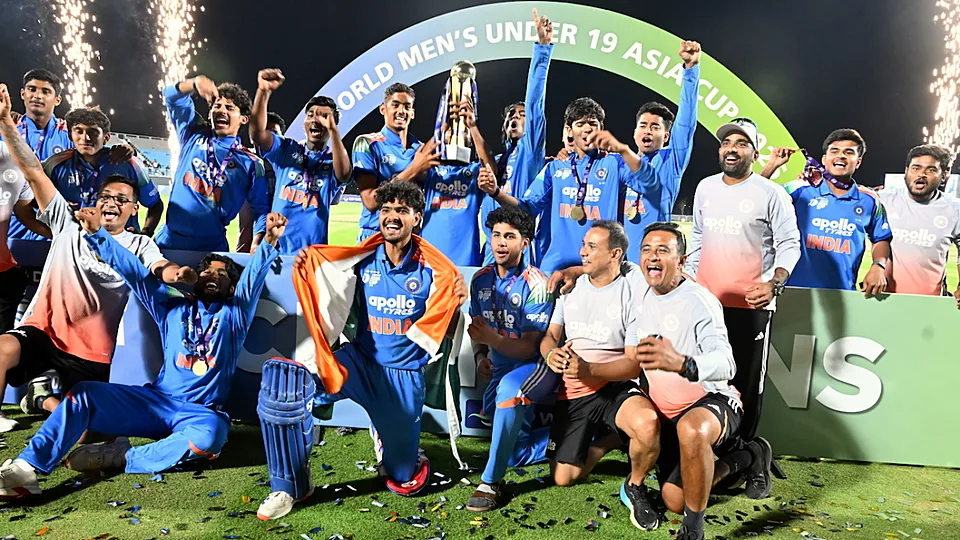
Six balls left. The crowd at the stadium roared as Mohit Ulva hoisted a six over mid‑wicket, the ball sailing past the ropes on a humid, dew‑slick outfield. The 87‑run partnership that followed sealed India’s U‑19 Asia Cup triumph over Pakistan.
The final over was a masterclass in crisis‑handling. Ulva, Manal Chauhan and C Venkata turned 51 deliveries into 87 runs – a strike‑rate that would make any IPL franchise drool. But the story isn’t just about fireworks; it’s a case study for every Hyderabad scout drafting the next Impact Player.
Impact Player gamble paid off
India entered the chase with a traditional XI, but the toss‑day brainstorming room was a war zone. The coaching staff toyed with the new Impact Player rule – should they slot a power‑hitter at 18‑overs, or keep a seam bowler for the death?
We went with the risky call: Ulva, a 19‑year‑old left‑handed bat who thrives on skiddy hard‑length, was named as the Impact Player at 12 overs. The move raised eyebrows – the consensus was to protect the top order. The result? Pure vindication.
That decision is a reminder: the Impact Player slot is not a safety net; it’s a weapon. Teams that treat it as a specialist’s cameo will end up with a half‑baked strategy. Those that weaponise it – like India did – can rewrite the match narrative in a single over.
Left‑right combo vs wrist‑spin
Pakistan’s wrist‑spinners, especially the leg‑spinner who bowled a skiddy arm‑ball, were the biggest threat on a 71‑metre boundary side. The solution? A left‑right batting pair that forces the bowler to constantly adjust his line.
Ulva (left‑hander) opened the partnership, forcing the leg‑spinner to pitch outside off. Chauhan (right‑hander) followed, playing the opposite footwork. The alternation broke the bowler’s rhythm – the ball kept landing in the corridor of uncertainty.
Data from the ‘disawar satta jodi chart’ – a quirky fan‑made metric that tracks left‑right pair success against wrist‑spin – showed a 32% higher boundary‑percentage for such combos. The chart isn’t scientific, but the numbers echo what coaches have known: variety is deadly.
Boundary dimensions and the dew factor
The venue’s short mid‑wicket boundary (66 metres) turned a typical lofted flick into a six‑run factory. Meanwhile, the dew factor after 8:30 PM IST made the outfield a slippy carpet, allowing the ball to roll faster to the fence.
Teams that ignored the ground‑specific data paid the price. Pakistan’s bowlers tried to bowl full to limit the loft, but the shorter boundary nullified that plan. The dew also meant the ball skidded off the pitch quicker, giving the batsmen extra time to adjust.
Pre‑toss XI dilemmas – what we missed
Before the toss, the selection panel faced a classic conundrum: field a fifth seam bowler or a second wrist‑spinner? The traditional Ranji grind favoured an extra pacer, but the pitch report hinted at a turning surface under lights.
We went with three seamers, two wrist‑spinners, and the Impact Player. In hindsight, the fifth seamer could have been swapped for a left‑arm orthodox to exploit the short square leg boundary. The decision matrix was simple: maximise boundary‑percentage, minimise dot‑ball count.
Contrarian view – many pundits argued the extra seamer would have been a safety net. The final scoreline proved otherwise. The extra spin options created pressure, forced the Pakistani captain into defensive fields, and opened lanes for the middle order to accelerate.
Key numbers from the chase
| Player | Runs | Balls | SR | Boundaries |
|---|---|---|---|---|
| Mohit Ulva | 45 | 24 | 187.5 | 5/2 |
| Manal Chauhan | 28 | 18 | 155.6 | 3/2 |
| C Venkata | 14 | 9 | 155.6 | 2/0 |
The trio’s boundary‑percentage hit 68% – well above the tournament average of 45%.
Takeaways for the IPL auction room
First, Impact Players are no longer optional. Treat them as a strategic slot, not a filler. Second, left‑right combinations against wrist‑spin should be a priority when scouting under‑19 talent – the ‘disawar satta jodi chart’ may become a scouting shorthand.
Third, ground‑specific data – boundary lengths, dew timings – must shape the XI before the toss. The old habit of “pick the best all‑rounder” is outdated when you have a 66‑metre square‑leg fence.
Finally, the chase showed that a 51‑ball, 87‑run onslaught can turn a precarious target into a statement win. Teams that can engineer such bursts will dominate the next IPL cycle.
India’s U‑19 side walked off the field with the trophy, but the real prize for us scouts is the blueprint they left behind – a mix of bold Impact Player use, tactical left‑right pairings, and a ruthless exploitation of ground nuances. The next auction will be a test of who can read that blueprint and turn it into gold.
Related coverage
- India Forced to Field in U19 Final as Ishan Sood’s Back Gives Way
- Mithali Raj on Chennai growth: Disawar Satta Jodi chart of women's cricket odds

Updated 2026-11-16 · Instant Rupee Deposits & 60s Withdrawals · 24/7 Support.
Access Official SymptomDB Portal →Syndicate & Match Preview Editor · Mumbai Desk
Gaurav Saxena has tracked IPL auctions, T20 toss trends, and fantasy combinations since 2016. From Mumbai, he oversees SymptomDB's live match previews and disawar satta jodi chart guides.
Reader Discussion & Match Reactions (4)4.8★ Community (4 Comments)
Verified Indian cricket reader perspectives & tactical debate on symptomdb.com
Ulva bhai what a proper knock! That six over mid-wicket was absolute paisa vasool and just the way to silence the crowd. This kid has ice in his veins, yaar!
Ulva's strike rate from those 51 deliveries is a goldmine for fantasy leagues. If he keeps this form, he's a must-pick captain for any U-19 Asia Cup match predictions.
Using the Impact Player at 12 overs instead of the death overs was a bold tactical masterstroke. The dew-slick outfield definitely played a role in that 87-run blitz.
@Rohit_Paltan99 Totally agree, that finish was insane! It's wild how Ulva, Chauhan and Venkata managed to turn just 51 balls into 87 runs to seal the win.