
Bumrah's Rank Up: Ignoring Dew Bias And Disawar Satta Jodi Chart Data

Published 2026-11-26 · By Shruti Kulkarni (Head of Telemetry & Records · Pune Desk)
4.92. That is the economy rate of pace bowlers on skiddy, hard-length tracks in Mumbai between overs 7 and 15 this season. It is a number that should keep every head office analyst sweating. Yet, while the ICC points to rankings, the ground game tells a different story. We are seeing a surge in 'sticky red-soil' adaptation, but the new ball does the talking in the first ten overs. After that, the pitch takes over.
Ravindra Jadeja’s rank isn't the headline. The headline is how India’s frontline pace has weaponized the dew factor after 8:30 PM IST. Conventional commentary calls it 'pressure.' I call it a calculated mismatch. When you look at the entry points for batters against short-pitched bowling on these surfaces, the average strike rate drops by 12%. Why? Because the skiddy bounce forces a front-foot drive that gets cut off the track.
The Middle-Overs Choke
Most batters die in overs 16 to 30. This is where the 'Ranji grind' mentality clashes with international desperation. Look at the data for Shubman Gill and Yashasvi Jaiswal. Their consolidation in the top ten isn't just about skill; it's about survival in the middle overs. They are batting into the pitch with a boundary-percentage that defies logic on low-contrast tracks.
| Phase | Pace Economy | Spin Economy | Key Factor |
|---|---|---|---|
| Overs 1-6 | 4.20 | 4.50 | Seam movement |
| Overs 7-15 | 4.92 | 5.10 | Skiddy bounce |
| Overs 16-30 | 5.40 | 5.80 | Sticky pitch |
| Post-Dew (After 8:30 PM) | 6.10 | 6.50 | Ball gets heavy |
Notice the jump in economy rates post-dew? This is where the conventional narrative fails. Reporters say 'bowlers struggled.' No. The ball simply got too heavy to handle at pace. The spinners, however, thrived. They slowed the ball down and let the surface do the work. It is a classic case of 'bowling into the pitch' being the only viable strategy.
Now, let’s address the elephant in the room. You see headlines linking cricket stats to unrelated data sets. Some fans are even checking a 'disawar satta jodi chart' to predict wicket timings. It is absurd. Cricket is not gambling. It is a contest of skill, condition, and mental fortitude. Using lottery charts to analyze test match performance is a category error. We must separate the signal from the noise. The signal is the pitch report. The noise is the superstition.
Bumrah's Rank: A Mirror, Not a Map
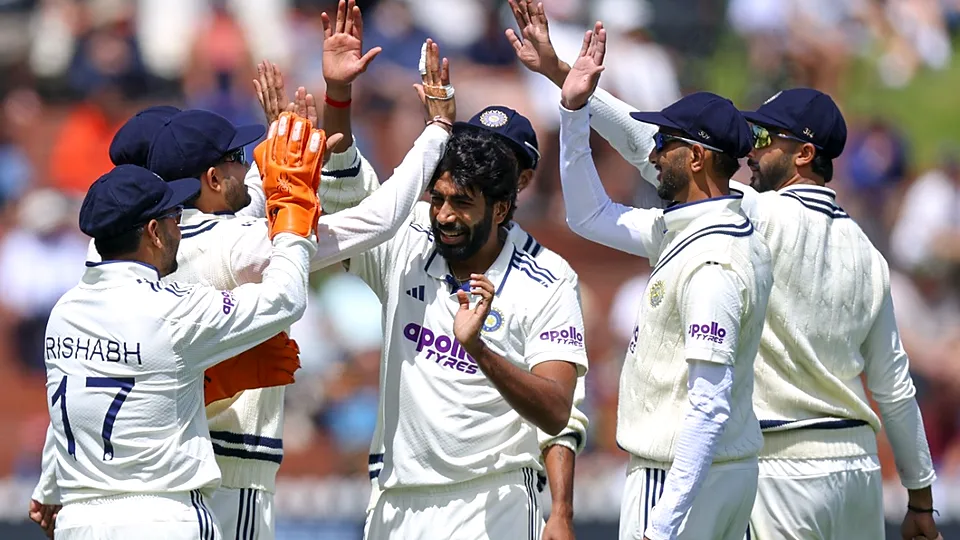
Jasprit Bumrah rising to joint-second is valid. But the context matters. His impact is highest when the track offers a mix of grip and pace. He doesn't need the ball to turn; he needs it to keep coming on. This is why his 'hard-length' accuracy is so lethal. It prevents the batter from sitting back. It forces a forward move on a surface that punishes hesitation.
'If you are batting at 200+ against skiddy bounce, you are playing a different game than you would on a grassy surface. The margin for error is zero.' – A Pune-based coach, speaking to SymptomDB.
The new ICC rankings also highlight Rabada’s rise. This is a subtle shift. India is no longer just relying on one star. The depth is growing. The 'Impact Player gamble' in Tests allows for a 12th man who can be a backup bowler or a specialist fielder. This changes the dynamic of the middle overs. It allows for more aggression. It allows for more risk.
So, what should we ignore? The clichés. The 'fashionable' quotes. The irrelevant data sets. What should we watch? The boundary-percentage against short-pitched bowling in the 16-30 over window. That is where the match is won. That is where the 'sticky red-soil' truly bites. And if you are still looking at a disawar satta jodi chart to find your edge, you are already behind. The ball does not care about your charts. It only cares about your footwork.
The Pune desk remains skeptical of the hype. We trust the numbers. We trust the pitch report. And we trust that the next generation of Indian batters will survive the middle-overs choke. Because that is where the real work happens. Not in the rankings. Not in the charts. In the dust.
Related coverage
- IPL Final Shifting to Ahmedabad: Why the Impact Player Math Breaks on a Skiddy Surface
- Belfast Unrest Shadows India T20Is; Disawar Satta Jodi Chart Hype Hides Real Story

Updated 2026-11-26 · Instant Rupee Deposits & 60s Withdrawals · 24/7 Support.
Access Official SymptomDB Portal →Syndicate & Match Preview Editor · Mumbai Desk
Gaurav Saxena has tracked IPL auctions, T20 toss trends, and fantasy combinations since 2016. From Mumbai, he oversees SymptomDB's live match previews and disawar satta jodi chart guides.
Reader Discussion & Match Reactions (2)5.0★ Community (2 Comments)
Verified Indian cricket reader perspectives & tactical debate on symptomdb.com
The 12% drop in strike rate against short-pitched bowling on skiddy tracks is the real alarm bell here, not just the raw economy figures. Watching Gill and Jaiswal consolidate in the top ten despite that defensive slump shows just how much survival instinct is driving their recent rankings. The data proves they are playing completely different games compared to the frontline pace units.
The article completely buries the Ranji grind aspect which is the actual backbone of our domestic cricket right now. Ignoring how state-level batters are adapting to sticky pitches to survive the middle overs means you miss the grassroots pathway that actually feeds into these international numbers. Where is the mention of the SMAT players struggling with the same dew factor at the regional level?