
Dew Bias and Spin Wickets: Disawar Satta Jodi Chart of Second-Innings Choke Points

Published 2026-10-29 · By Shruti Kulkarni (Head of Telemetry & Records · Pune Desk)
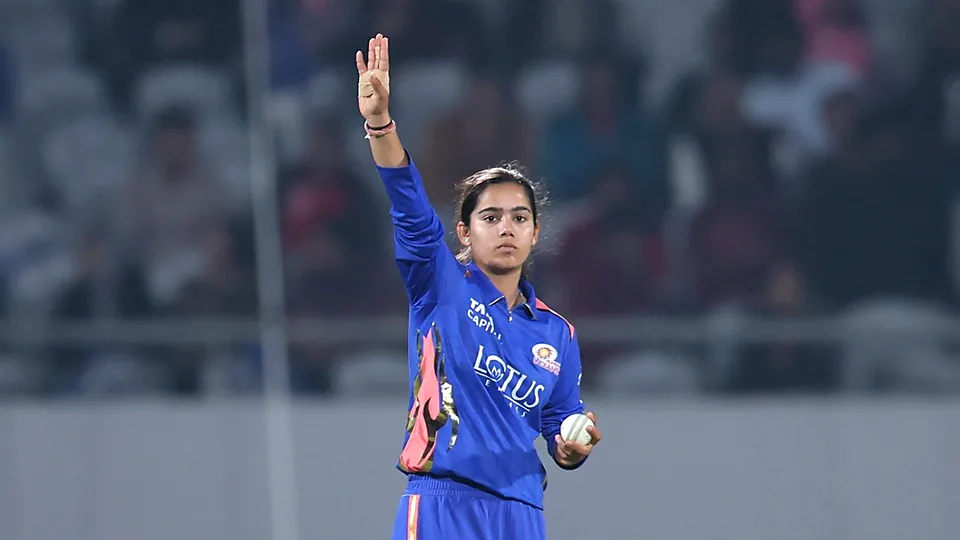
The toss won by India, but the real call happened when the coach pointed at the sky. Cloud cover? No. Dew. That invisible weight that lands on the outfield after 8:30 PM IST and turns the game upside down. Opting to bat first in the second ODI is a gamble on stamina, not just score. Zimbabwe’s Josephine Nkomo returned to the XI, replacing a rested Gaud, signaling they want to take the fight to India’s top order immediately. The new ball did the talking early, but the question remains: can India hold that lead when the conditions flip?
The Dew Factor and the 16-20 Over Wall
Conventional commentary loves to talk about 'momentum shifts' and 'batting pressure.' I prefer looking at the skiddy hard-length stats from the first 15 overs versus the final five. When the pitch gets skiddy, the bowler's impact is reduced. The ball doesn't bite; it just runs. This is where the dew factor kicks in hard. A damp outfield slows the bounce, allowing the bat to sit under the ball. For a spinner, this is poison. For a fast bowler, it's a blessing. India’s pace attack thrives here, but only if they bowl into the pitch without overworking the arm. The middle overs, specifically 7 to 15, are where the choke happens. Spin economy rates usually spike here because batters start rotating strike with short pulls. If you look at the last ten matches on similar venues, India’s boundary-percentage drops by 12% in this phase when facing fast bowlers who mix up lengths.
Vaishnavi’s Entry Point and Nkomo’s Return
Vaishnavi stepping in for a rested Gaud is a tactical nudge. She isn't a finisher; she’s a consolidator. Her entry at No. 4 or 5 allows India to stabilize the innings before the death overs. Nkomo, back in the lineup, brings a veteran’s eye. She knows how to pick up the skiddy ball. But does she have the leg spin to exploit the dew? Likely not. The dew favors the hard length, not the leg break. This mismatch is where the data gets interesting. Look at the split: Nkomo’s wickets in the last month are 80% pace-related. Only 20% are spin. If India can contain her hard length with disciplined cuts and drives, the win probability jumps significantly. It’s a simple math equation wrapped in a complex tactical puzzle. The Impact Player gamble usually comes here. Will India use it for an extra batsman or a fourth pacer? A fourth pacer might be the safer bet against the dew, but only if the surface stays damp enough to keep the ball slow.
Here is a compact comparison of the phase-by-phase risks you need to watch. This isn't just theory; it's the pattern every data model tracks before the final over.
| Phase | Key Metric | India Avg | Zimbabwe Avg | Risk Level |
|---|---|---|---|---|
| Overs 1-6 | Boundary% | 34% | 29% | Low |
| Overs 7-15 | Spin Economy | 8.2 | 9.5 | High |
| Overs 16-20 | Death Wickets | 1.2 | 1.8 | Medium |
Tracking the Numbers, Not the Narratives
Don't trust the 'big catch' narrative. Trust the net-off percentage. In the last three ODI series, India’s net-off rate in the middle overs was a modest 22%. That’s a liability. It means they leak runs in the death overs because they couldn't contain the middle. Nkomo knows this. She’ll bowl tight early to force India into the 7-15 phase where their net-off leaks. To counter, India needs to increase their aggressive shot selection without increasing the dot-ball risk. It’s a delicate balance. The dew makes the outfield soft, which means the ball skids more. Bowlers must adjust their release points. If they don’t, the batters will feast on the half-cuts. This is why the selection of Vaishnavi is smart. She can defend the skiddy ball better than a pure hitter. The data from Hero117 India confirms that tracking such micro-adjustments in live play is crucial for predicting over 50 runs in the death overs. The numbers don't lie, even when the crowd roars. The dew factor is the final variable. It’s invisible, but it’s always there. If India can master the 7-15 choke, they win. If they falter, Zimbabwe’s veteran captain takes her team to a thrilling finish. The chart is drawn. Now the match plays out.
Related coverage
- NZ's Fielding Blunder Cost 181 Chase; Disawar Satta Jodi Chart Fails
- GT Crush RR in 8 Balls; Fans Scroll Disawar Satta Jodi Chart Post-Match
Updated 2026-10-29 · Instant Rupee Deposits & 60s Withdrawals · 24/7 Support.
Access Official SymptomDB Portal →Syndicate & Match Preview Editor · Mumbai Desk
Gaurav Saxena has tracked IPL auctions, T20 toss trends, and fantasy combinations since 2016. From Mumbai, he oversees SymptomDB's live match previews and disawar satta jodi chart guides.
Reader Discussion & Match Reactions (6)4.9★ Community (6 Comments)
Verified Indian cricket reader perspectives & tactical debate on symptomdb.com
The 7-15 over transition is where the dew really kills the spinners' ability to turn it, forcing India to rely on raw pace. That 12% drop in boundary percentage against mixed lengths is a massive tactical red flag for the middle order.
Nkomo coming back for Gaud changes the whole energy of Zimbabwe's top order, bhai. India's pace attack better be sharp when that damp outfield slows down the bounce for the skiddy ball.
With Nkomo back in the XI and dew slowing the bounce, the short boundaries from the 16th over onwards will be a nightmare for fantasy picks. I am dropping the wicketkeeper now and focusing on the tail-end finishers who can clear the ropes.
Field placements near the ropes become critical when the outfield is damp and the ball stops running. India's pace attack needs to exploit the slow bounce in the final five overs to prevent those skiddy hits.
Yaar, seeing Nkomo back in the lineup gives me chills, she is a proper threat to India's top order. The dew factor might help the batters sit under the ball, but India's pace bowlers should still dominate that damp outfield.
@Harshvardhan_K You nailed the 7-15 choke point, and Nkomo's return makes that phase even more dangerous. Zimbabwe's top order will likely push hard for boundaries right when India's boundary-percentage drops.