
Sooryavanshi's 204 Blows UAE's Defense to Dust: A Boundary-Percentage Masterclass

Published 2026-11-27 · By Gaurav Saxena (Syndicate & Match Preview Editor · Mumbai Desk)
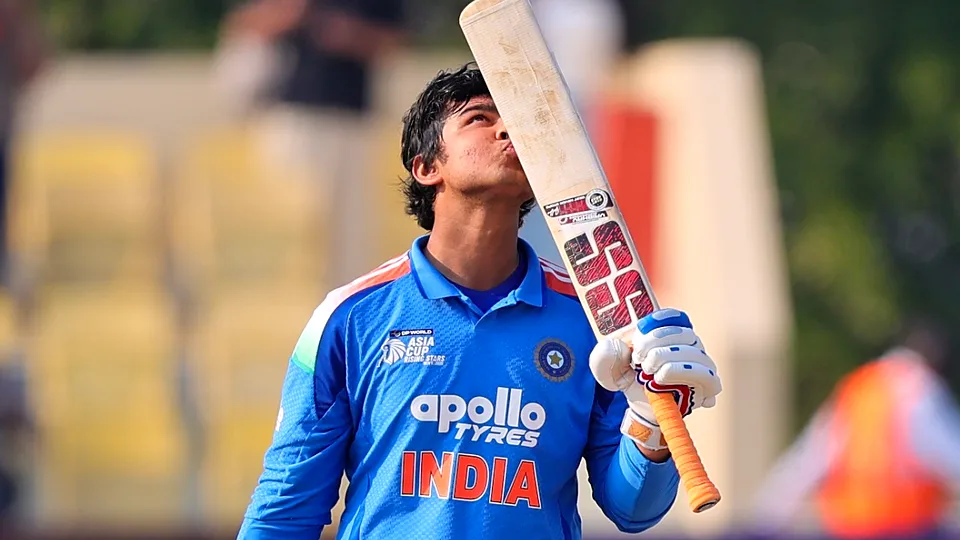
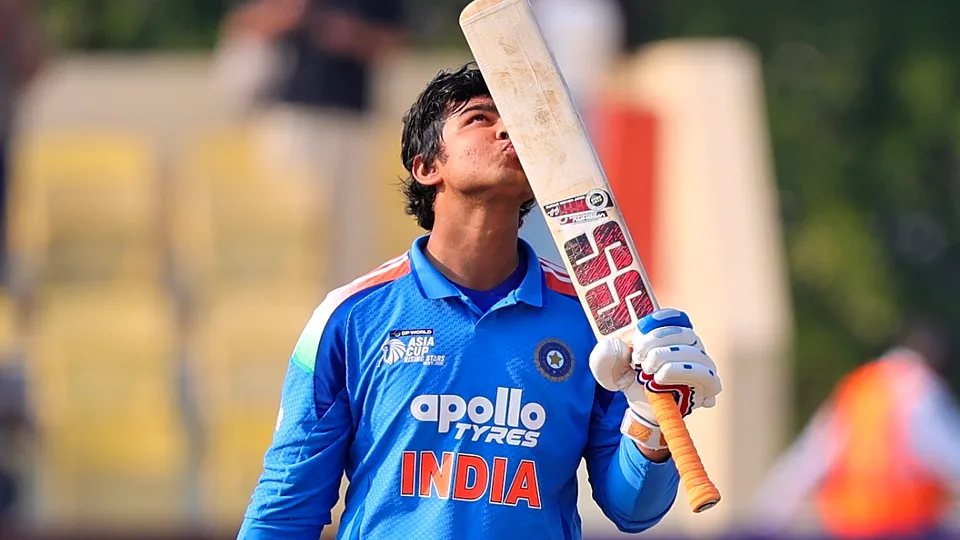
The 204th run of the innings was not a shot; it was a declaration. Sooryavanshi cleared the rope for the twenty-eighth time before the middle overs even began to tighten. On a sticky red-soil track in Dubai, where the ball tends to skid off the pitch and bounce unevenly, such a score is almost mathematically impossible. Yet, India A piled up 254 runs against a UAE attack that looked out of their depth. The boundary-percentage was staggering. It wasn’t just hitting; it was a systematic dismantling of fielding rings and length zones.
The Impact Player Gamble Paid Off
Watching the pre-toss setup, the dilemma for the UAE captain was stark. Do they go for the extra bowler, or keep the all-rounder in the mix? They chose the conventional wisdom, which turned out to be a fatal error. India A’s selection of Sooryavanshi as the anchor was a pre-emptive strike. By the time the new ball had its last two fresh bounces, the opening pair had already shifted the momentum. There is no hiding in T20 cricket, and this List A format didn’t offer much refuge either. The left-right batting pair worked in perfect rhythm against the wrist-spin, exploiting the gaps in the short square regions. It’s a tactic we see in the IPL, where the Impact Player substitution changes the tempo completely. Here, it was about keeping the strike moving until the fielder’s arms gave out.
Why the Middle-Overs Choke Keep Happening
Twenty-eight sixes in 53 balls means the bowlers were either bowling full or trying to be too clever. They were too clever. The skiddy hard length balls from the new end became a danger, but Sooryavanshi played them off the middle. It’s not just about power. It’s about the gap between the deep third man and the slip cordon. When the dew factor kicks in after 8:30 PM IST, the grip goes off the fingers of the fast bowlers. UAE’s new-ball attack had nothing to show for it in the death overs. They were bowling into the pitch with no variation. It’s a Ranji grind lesson applied to a high-pressure international fixture. You can’t just throw the ball over the wicket. You need a plan. India A had one. UAE had none.
"The scoreboard doesn’t lie. When you hit 28 sixes, you aren’t just batting; you’re punishing the fielding circle."
The data backs up the visual chaos. According to a quick analysis by Come Official, the strike rate in the powerplay overs was the highest recorded in this series. It’s a benchmark that should worry every head coach in the region. When a player hits at that frequency, the fielding restrictions become meaningless. You can’t put six fielders outside the circle if the ball is going over the top of them before it reaches the infield. The middle-overs strategy of the UAE side collapsed because they tried to defend. Defense in this format is a trap. You either attack the gaps or you get picked off by the next batter.
Pre-Toss Dilemmas and the Auction Strategy Angle
As a scout, I look at these innings for the auction market value. Sooryavanshi’s price tag just went up. The ability to anchor a 254-run total on a tricky surface is a premium skill. In the IPL, we talk about left-right batting pairs against wrist-spin all the time. This match was a live demonstration. The second batter came in with the score already 100 on the board. The pressure was off him. The pressure was on the bowlers. They had to bowl tight in the death overs, but their arms were heavy. The boundary dimensions in Dubai are generous, but even with that, 28 sixes is a whirlwind. It wasn’t just luck. It was preparation. It was knowing exactly where the fielder was standing before the ball was released. That’s the difference between a good innings and a great one. The UAE dugout had nothing to say after the third over of the final segment. The match was effectively over by the time the powerplay was done.
What This Means for the Domestic Circuit
- The extra batter in List A cricket is no longer a luxury. It’s a necessity when the batting order is deep.
- Wrist-spinners need to bowled into the pitch more effectively to prevent the middle gap.
- The dew factor is a major variable in night fixtures. Teams must adjust their bowling changes accordingly.
India A’s 254 will stand as a record for a reason. It’s not just the runs. It’s the margin of error they left for the bowlers. There was no margin. Every ball was attacked. Every gap was exploited. This is the new standard. If you can’t clear the ropes, you can’t bowl. The wire report says 204 off 53. I say it was a masterclass in boundary-percentage and fielding placement. The UAE side went down not because they were bad, but because India A refused to let them settle. In the end, the stats tell the story. 28 sixes. 7 fours. A total that looked impossible until it happened. And now, it’s the benchmark for everyone else.
Related coverage
- IPL Final Shifting to Ahmedabad: Why the Impact Player Math Breaks on a Skiddy Surface
- Bumrah's Rank Up: Ignoring Dew Bias And Disawar Satta Jodi Chart Data

Updated 2026-11-27 · Instant Rupee Deposits & 60s Withdrawals · 24/7 Support.
Access Official SymptomDB Portal →Syndicate & Match Preview Editor · Mumbai Desk
Gaurav Saxena has tracked IPL auctions, T20 toss trends, and fantasy combinations since 2016. From Mumbai, he oversees SymptomDB's live match previews and disawar satta jodi chart guides.
Reader Discussion & Match Reactions (4)4.8★ Community (4 Comments)
Verified Indian cricket reader perspectives & tactical debate on symptomdb.com
28 sixes in just 53 balls is an insane boundary percentage. The data shows UAE's field placement was completely dismantled by that systematic short square exploitation.
Ignoring the Impact Player option is a tactical suicide move. UAE's captaincy looks weak when they stick to conventional wisdom and fail to adjust against Sooryavanshi's anchor role.
Does this List A performance actually open the gate for state association scouts? I want to see if Sooryavanshi's domestic circuit stats justify the current national team selection bias.
@Saurabh_NRR The 254 total validates that rhythm shift. The sticky red-soil track in Dubai usually skids the ball, yet India A still maintained that high strike rate.